
You’ve seen the prices. You’ve read the reviews. And now you’re sitting on a product page wondering whether any of this is actually real or whether you’re about to lose $40 to a seller in Shenzhen who’ll ghost you the moment the order goes through.
Fair question. And the answer is: yes, AliExpress is legitimate. But “legitimate” doesn’t mean “risk-free,” and pretending otherwise would waste your time. So here’s what actually matters.
Quick answer
AliExpress is a real platform owned by Alibaba Group, one of the largest e-commerce companies in the world. It has more than 150 million active shoppers, operates in over 200 countries, available in 16 different languages with over 111 million products offered across 5,900 product categories. Millions of buyers in the US, UK, Canada, and Australia order from it every month. Most orders arrive. Most buyers get what they paid for. Disputes, when they happen, are usually resolved through the platform’s buyer protection system.
The risks are real but specific. You can mostly avoid them if you know what to look for.
What AliExpress actually is
A lot of first-time buyers assume AliExpress is a single store. It isn’t. It’s a marketplace, more like eBay than Amazon, where independent sellers (mostly from China) list products. Alibaba owns the platform and handles payments, but the sellers themselves are third parties.
That distinction matters because quality, shipping speed, and reliability vary by seller, not by the platform. A bad experience with one seller tells you nothing about the next one. And a good seller can be genuinely excellent, consistent, and cheap.
The platform launched in 2010 and now has over 150 million active buyers globally. It is not a scam site. The products are real. The sellers are verified (at different levels). The payments go through Alibaba’s secure system, not to random bank accounts.
The buyer protection system
This is the part most new buyers don’t fully understand, and it’s the most important thing to know.
When you pay on AliExpress, your money isn’t released to the seller immediately. It’s held in escrow until you confirm the order is received, or until the protection window closes. If the item doesn’t arrive, arrives damaged, or looks nothing like the listing, you can open a dispute and get a refund.
The dispute process works. It’s not perfect and occasionally requires some back-and-forth, but Alibaba’s financial incentive is to keep buyers on the platform, which means they generally side with buyers on genuine claims. The protection period varies by seller and shipping method but usually runs 60 to 90 days from the order date.
One thing that catches people out: if you click “Order Received” before actually checking the item, you release the funds early and limit your options. Don’t do that until you’ve opened the package and confirmed it’s what you ordered.
How risky is this really?
Genuinely low, if you’re careful about which sellers you buy from.
Most problems come from:
- Choosing the cheapest shipping option and expecting Amazon-level speed
- Buying from a seller with no reviews or a very new store
- Ordering brand-name items that are almost certainly counterfeit
- Misreading sizes (this is extremely common for clothing)
The platform’s dispute resolution handles most issues. Outright fraud, where you pay and receive absolutely nothing, is rare on established accounts. The far more common problem is a product that’s lower quality than the photos suggested, or takes three weeks longer than expected.
Neither of those is catastrophic. Both are manageable if you go in with accurate expectations.
Country-by-country: what’s different for you
United States
Shipping to the US is generally reliable. Standard shipping from China takes 15 to 30 days. AliExpress Standard Shipping (their own logistics service) has improved a lot and usually hits the lower end of that range. Express options like DHL or FedEx can land in under two weeks but cost more.
For customs: most orders under $800 clear without any import duties under the US de minimis threshold. Orders above that may attract duties, though low-value consumer goods rarely cross that line unless you’re ordering in bulk.
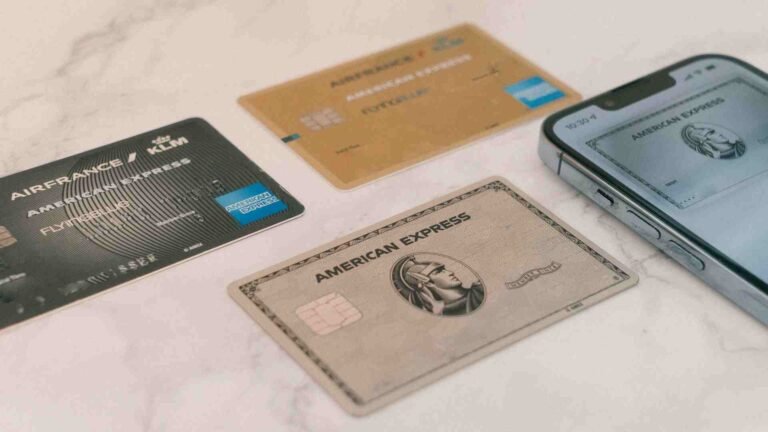
Payments work fine with US Visa, Mastercard, American Express, PayPal, and most major cards.
One practical tip for US buyers: if a seller offers “US Warehouse” shipping, it means the item ships from within the US and arrives in 5 to 10 days. It’s worth filtering for this when you need something quickly.
United Kingdom
Shipping to the UK takes roughly similar time to the US. 15 to 25 days on standard shipping is typical.
Post-Brexit, VAT applies to all imports. For orders under £135, the seller is supposed to collect and remit UK VAT at checkout. In practice, this is inconsistently applied. You may receive a bill from Royal Mail or your courier for VAT plus a handling fee on some orders, especially above £135. It’s worth knowing this going in rather than being surprised.
UK buyers can pay with all major cards and PayPal. No unusual friction there.
Canada
Canada sees similar shipping times to the US and UK. The bigger variable is customs. Canada has a relatively low de minimis threshold for duties (C$20 for most goods), which means orders above that amount can attract import duties and a brokerage fee if a courier like UPS or FedEx handles customs clearance.
Standard postal shipping via Canada Post tends to be cheaper to clear customs than express courier shipping. If you’re ordering something in the $50 to $200 range, it’s worth factoring in a possible customs bill of 10 to 20% of the order value.
Canadian buyers have had some issues with certain payment cards flagging AliExpress as suspicious on a first order. If your card declines, try adding it as a new payment method, or use PayPal as a workaround.
Australia
Australia Post is the primary delivery partner for most AliExpress standard shipments. Delivery runs 15 to 30 days for most orders, sometimes faster.
Goods and Services Tax (GST) at 10% applies to all overseas purchases. AliExpress collects this at checkout for most transactions, so you’re not usually surprised by a tax bill on arrival. Orders above A$1,000 may go through formal customs clearance.
Australia’s consumer protection laws are quite strong, but they don’t extend to overseas purchases in the same way the Australian Consumer Law covers domestic ones. Your real protection is AliExpress’s own buyer protection system, so keep your disputes within the platform.
How to buy safely: what to actually do
- Check the seller’s store age and feedback. A store open for less than six months with fewer than 100 reviews needs more scrutiny than one that’s been operating for three years with 10,000 transactions.
- Read the negative reviews first. Positive reviews are easy to game. Negative reviews usually contain real information: items that arrived broken, sizes that ran small, shipping that took two months.
- Look at the photos in buyer reviews, not the product listing. The listing photos are often professional shots of a reference product. Buyer photos show what actually arrived.
- Choose AliExpress Standard Shipping over ePacket or untracked options. It’s slightly more expensive but trackable, and disputes go much more smoothly when you have tracking data.
- Don’t confirm receipt until you’ve checked the item. Once you click confirm, the protection clock winds down fast.
- Avoid anything that looks like a branded product at a fraction of retail price. Nike shoes for $18. Apple AirPods for $12. These are counterfeits. Not only is the quality unpredictable, the purchase isn’t protected the same way.
- Screenshot the listing before you buy. If you open a dispute, having the original description and photos helps your case considerably.
Tips from people who actually use it
Use the “Top Brands” filter selectively. AliExpress has pushed branded storefronts (Anker, Baseus, Xiaomi) that operate like proper brand shops. These are more reliable than random third-party sellers for electronics.
Order one item before ordering in bulk. If you’re tempted by a seller offering cheap clothing or accessories, buy one piece first. Evaluate the quality. Then decide whether to go back for more.
Check the “Ship from” location. Products shipping from local warehouses (US, UK, or EU warehouse options) are often slightly pricier but arrive much faster and are easier to dispute if something goes wrong.
Message the seller before ordering. It sounds old-fashioned, but a seller who responds promptly and clearly to a question before your money is involved tends to be a seller who handles post-sale issues decently too.
Takeaway
AliExpress is a legitimate platform with real buyer protections and a genuine track record. It’s not Amazon. Shipping takes longer. Quality varies more. You need to spend five minutes vetting a seller in a way you wouldn’t bother with on a UK or US retailer.
In exchange, you get prices that are genuinely hard to match anywhere else. Electronics accessories, home goods, hobby supplies, tools, and plenty of other categories consistently sell at a fraction of what Amazon or local retailers charge, from the same factories that supply those retailers.
Go in knowing what to expect. Use the buyer protection if something goes wrong. Don’t click “Order Received” until you’ve actually checked the item.
That’s really most of it.
FAQ
Is AliExpress safe to give my credit card to? Yes. Payments go through Alibaba’s payment system, which is PCI-compliant. Your card details are not shared with individual sellers. PayPal adds an extra layer if you prefer it.
Why are AliExpress prices so low? Most sellers are manufacturers or wholesalers based in China with very low overheads. You’re buying close to the source, with no distributor or retailer margin in between.
How do I get a refund if my item doesn’t arrive? Open a dispute through the AliExpress platform before the buyer protection window closes. Go to “My Orders,” find the order, and click “Open Dispute.” You’ll be asked to explain the issue and upload evidence if you have it.
Are AliExpress products the same quality as branded alternatives? Sometimes yes, sometimes no. Many unbranded AliExpress products come from the same factories that produce name-brand versions. Others are noticeably cheaper in build quality. Reading detailed buyer reviews and looking at buyer photos tells you more than the product listing ever will.
Does AliExpress deliver to rural addresses in the US, UK, Canada, and Australia? Generally yes. Most shipments go through national postal services (USPS, Royal Mail, Canada Post, Australia Post) for final delivery, which means coverage is broadly similar to any other parcel service.
What happens if a seller disappears or their store closes? AliExpress holds your payment during the protection period. If the seller becomes unresponsive or their store closes while your order is in progress, you can open a dispute and get a full refund.
Is it worth paying for express shipping? For most products, no. The price difference is usually significant, and standard tracked shipping is reliable enough. Express shipping makes sense if you need something within two weeks and the order value justifies the shipping cost.
Help a Friend Save Money: